Edward Hicks: A Pacifist Bishop at War
The Diaries of a World War One Bishop
This title was previously available on NetGalley and is now archived.
Buy on Amazon
Buy on Bookshop.org
Buy on Waterstones
*This page contains affiliate links, so we may earn a small commission when you make a purchase through links on our site at no additional cost to you.
Send NetGalley books directly to your Kindle or Kindle app
1
To read on a Kindle or Kindle app, please add kindle@netgalley.com as an approved email address to receive files in your Amazon account. Click here for step-by-step instructions.
2
Also find your Kindle email address within your Amazon account, and enter it here.
Pub Date 1 Jan 2015 | Archive Date 26 Mar 2015
Lion Hudson Plc | Lion Hudson
Description
<P><B>The true story of a British Bishop who declared himself to be a pacifist, and what he did when England entered World War I</B></P><P>The story of Edward Hicks throws a new light on the problems of conscience World War I created. Acclaimed author G. R. Evans reveals how he wrestled with the issues, yet had to watch his sons go off to fight—one not to return. Drawing upon his detailed diaries, full of indiscreet comments—the sort of thing it would now be unwise for a bishop to write in an e-mail—Evans reveals Edward Hicks to be a man who was wrestling with his own conscience and beliefs. He was also a strong supporter of votes for women, which was highly unusual at that time, and a supporter of teetotalism, an unusual stance for a Church of England dignitary—not uncontroversial matters on which a bishop could adopt a high-profile position without inviting trouble. This book provides a fascinating glimpse into the impact the war had on those who waited at home and tried to hold onto their humanity.
Available Editions
| EDITION | Paperback |
| ISBN | 9780745956534 |
| PRICE | $16.95 (USD) |
Available to Buy
Buy on Amazon Buy on Bookshop.org Buy on Waterstones*This page contains affiliate links, so we may earn a small commission when you make a purchase through links on our site at no additional cost to you.
Average rating from 5 members
Readers who liked this book also liked:

The WAY from Street Kid to Millionaire
Igor Fostenko
Biographies & Memoirs, Business, Leadership, Finance, Christian
Igor Fostenko
Biographies & Memoirs, Business, Leadership, Finance, Christian
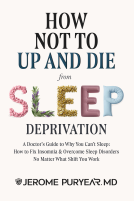
How to Not Up and Die from Sleep Deprivation
Jerome Puryear, MD
Health, Mind & Body, Nonfiction (Adult), Self-Help
Jerome Puryear, MD
Health, Mind & Body, Nonfiction (Adult), Self-Help


The Reduction: How to Cultivate Joy and Build a Life Worth Savoring
Jeffrey Saad; Steve Shull
Self-Help
Jeffrey Saad; Steve Shull
Self-Help