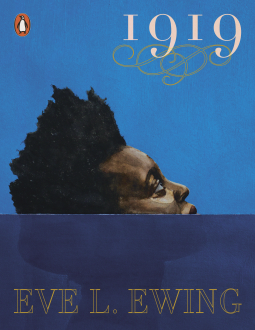
1919
This title was previously available on NetGalley and is now archived.
Send NetGalley books directly to your Kindle or Kindle app
1
To read on a Kindle or Kindle app, please add kindle@netgalley.com as an approved email address to receive files in your Amazon account. Click here for step-by-step instructions.
2
Also find your Kindle email address within your Amazon account, and enter it here.
Pub Date 30 Jul 2020 | Archive Date 21 Oct 2020
Talking about this book? Use #1919 #NetGalley. More hashtag tips!
Description
In 1919, award-winning poet Eve L. Ewing recovers the essentially human stories at the heart of the Chicago Race Riot of 1919: of the people who took part in it, and of the lives that were marked by it.
This most intense of the riots of the USA's 'Red Summer' lasted eight days, resulting in thirty-eight deaths and almost 500 injuries; it was a signal and traumatic event which has now shaped the history of the city where it took place for a century. As well as telling the tale of the riot itself and the cruel murder which precipitated it, the poems of 1919 explore its aftermath and bring to vivid life the mass migrations which had set the stage for this violence in the preceding years.
Poetically recounting the stories of everyday people trying to survive and thrive in the city, and using speculative and Afrofuturist lenses to reimagine history, the result is a book which unearths the universal at the heart of the particular, and illuminates the fine line between past and present.
Available Editions
| EDITION | Other Format |
| ISBN | 9780141991979 |
| PRICE | £9.99 (GBP) |
| PAGES | 80 |
Available to Buy
Buy on Amazon Buy on Bookshop.org Buy on WaterstonesAverage rating from 8 members
Readers who liked this book also liked:


Beth Brower
Historical Fiction, Literary Fiction, Women's Fiction