*This page contains affiliate links, so we may earn a small commission when you make a purchase through links on our site at no additional cost to you.
Send NetGalley books directly to your Kindle or Kindle app
To read on a Kindle or Kindle app, please add kindle@netgalley.com as an approved email address to receive files in your Amazon account. Click here for step-by-step instructions.
2
Also find your Kindle email address within your Amazon account, and enter it here.
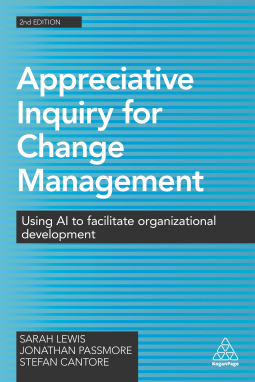
Appreciative Inquiry (AI) is a widely recognised process for engaging people in organizational development and change management. Based on conversational practice, it is a particular way of asking questions, fostering relationships and increasing an organization's capacity for collaboration and change. It focuses on building organizations around what works, rather than trying to fix what doesn't, and acknowledges the contribution of individuals in increasing trust and organizational alignment and effectiveness. Appreciative Inquiry for Change Management studies AI in depth, identifying what makes it work and how to implement it to improve performance within the business. Appreciative Inquiry for Change Management explains the skills, perspectives and approaches needed for successful AI, and demonstrates how a practical conversational approach can be applied to organizational challenges in times of change. Case studies from organizations that have already integrated AI into their change management practice, including Nokia and BP, reveal why the processes are valuable and how to promote, create and generate such conversations in other organizations. Written in jargon-free language, this second edition now includes chapters on how positive psychology can enhance appreciative practice and appreciative coaching, making it an essential resource for anyone looking to implement AI in their organization.
Appreciative Inquiry (AI) is a widely recognised process for engaging people in organizational development and change management. Based on conversational practice, it is a particular way of asking...
Appreciative Inquiry (AI) is a widely recognised process for engaging people in organizational development and change management. Based on conversational practice, it is a particular way of asking questions, fostering relationships and increasing an organization's capacity for collaboration and change. It focuses on building organizations around what works, rather than trying to fix what doesn't, and acknowledges the contribution of individuals in increasing trust and organizational alignment and effectiveness. Appreciative Inquiry for Change Management studies AI in depth, identifying what makes it work and how to implement it to improve performance within the business. Appreciative Inquiry for Change Management explains the skills, perspectives and approaches needed for successful AI, and demonstrates how a practical conversational approach can be applied to organizational challenges in times of change. Case studies from organizations that have already integrated AI into their change management practice, including Nokia and BP, reveal why the processes are valuable and how to promote, create and generate such conversations in other organizations. Written in jargon-free language, this second edition now includes chapters on how positive psychology can enhance appreciative practice and appreciative coaching, making it an essential resource for anyone looking to implement AI in their organization.
*This page contains affiliate links, so we may earn a small commission when you make a purchase through links on our site at no additional cost to you.
*This page contains affiliate links, so we may earn a small commission when you make a purchase through links on our site at no additional cost to you.
Average rating from 1 member
Featured Reviews
Cat Q, Reviewer
3 stars
3 stars
3 stars
3 stars
3 stars
Appreciative Inquiry for Change Management by Sarah Lewis, Jonathan Passmore, and Stefan Cantore is an indepth look at AI (Appreciative Inquiry) within the change management process. The authors have laid out the path yet the material is so complex that it requires deep study to understand the parts and pull them together. A master work but a bit hard to access.
I am continuing to reread as it is very valuable content; just hard to apply, use.
3 stars
3 stars
3 stars
3 stars
3 stars
Was this review helpful?
Featured Reviews
Cat Q, Reviewer
3 stars
3 stars
3 stars
3 stars
3 stars
Appreciative Inquiry for Change Management by Sarah Lewis, Jonathan Passmore, and Stefan Cantore is an indepth look at AI (Appreciative Inquiry) within the change management process. The authors have laid out the path yet the material is so complex that it requires deep study to understand the parts and pull them together. A master work but a bit hard to access.
I am continuing to reread as it is very valuable content; just hard to apply, use.
 Cat Q, Reviewer