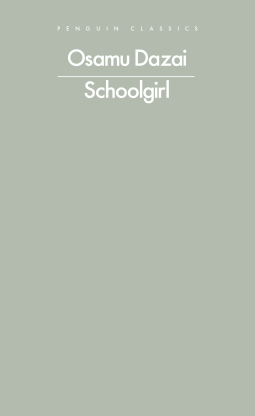
Schoolgirl
This title was previously available on NetGalley and is now archived.
Send NetGalley books directly to your Kindle or Kindle app
1
To read on a Kindle or Kindle app, please add kindle@netgalley.com as an approved email address to receive files in your Amazon account. Click here for step-by-step instructions.
2
Also find your Kindle email address within your Amazon account, and enter it here.
Pub Date 16 Jul 2026 | Archive Date 6 Aug 2026
Penguin Press UK – Allen Lane, Particular, Pelican, Penguin Classics | Penguin Classics
Talking about this book? Use #Schoolgirl #NetGalley. More hashtag tips!
Description
A new selection of six short stories by one of Japan's most iconic twentieth-century writers
An adolescent girl narrates her day in an existential masterpiece that explores what it means to be a forming person in a fomenting society. A woman writes a farewell note to her husband, an artist who has driven her away with his counterfeit profundity and naked ambition. A plain young woman steals a bathing suit for a handsome friend, only to find herself ostracised by her neighbours for her boy-crazed behaviour - and her refusal to be shamed.
These six stories by Osamu Dazai are among his finest. Written during the Second World War, in the shadow of intense nationalism, they unpick the concept of the patriotic, productive or moral self. Including the novella 'Schoolgirl', which rocketed Dazai to fame on initial publication in 1939, this collection, newly translated by Polly Barton, is a perfect introduction to Dazai's work.
Available Editions
| EDITION | Other Format |
| ISBN | 9780241767054 |
| PRICE | £9.99 (GBP) |
| PAGES | 128 |
Available on NetGalley
Available to Buy
Buy on Bookshop.org Buy on WaterstonesAverage rating from 30 members
Readers who liked this book also liked:


Kumi Makimura
Children's Fiction, Children's Nonfiction, Comics & Graphic Novels
Osamu Tezuka
Comics & Graphic Novels, Entertainment & Pop Culture, Mystery & Thrillers
Kumi Makimura
Children's Fiction, Comics & Graphic Novels, Science